
A Cozy Butter Appointment-Prep Resource
Dr. Kim Einhorn on Menopause, Hormone Therapy & Weight
Key takeaways from our live Q&A to discuss with your doctor
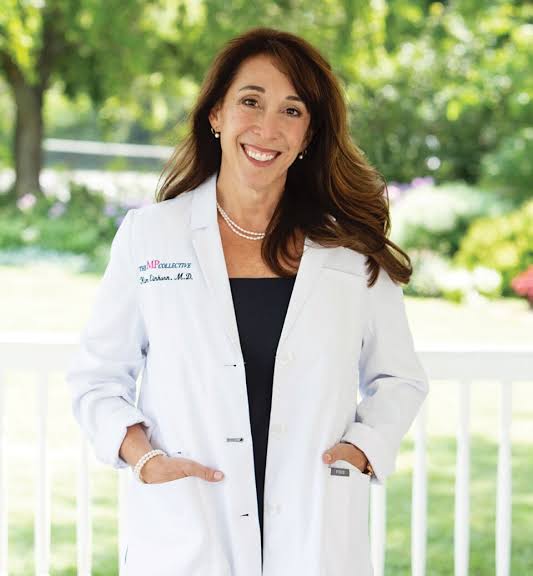
About Dr. Kim Einhorn, MD
Dr. Kim Einhorn is a board-certified OB-GYN who has practiced for 23 years. She treats perimenopause, menopause, and weight, has focused on obesity medicine for the last three years, and lectures to doctors about menopause. She practices at The MP Collective.
During the live she shared her own experience: after gaining 50 pounds in her mid-to-late 40s that she couldn’t lose, she started a GLP-1 medication and realized how much of her day had been spent thinking about food.
- Live Q&A
- Written by
- The Cozy Butter team, from the session transcript
- Last updated
Summarized by Cozy Butter from Dr. Kim’s live Q&A. Educational only, not medical advice. Full disclaimer
Treatments Dr. Kim Discussed
Key Menopause & Weight Takeaways
Perimenopause vs. menopause
- Early perimenopause: your cycle length changes by seven or more days in either direction.
- Late perimenopause: skipping 60 days at a time.
- Menopause: no period for 12 months.
- Hormone levels can start changing up to 12 years before your final period, and symptoms can start six to eight years before periods become irregular.
Who needs a closer evaluation before hormone therapy
- Current or past breast cancer. Dr. Kim said this is nuanced; she has some breast cancer patients on hormone therapy depending on the type, stage, and treatment.
- A history of blood clots (DVT or pulmonary embolism)
- A history of heart attack or stroke
- Active liver disease
- Undiagnosed vaginal bleeding
Why weight changes in perimenopause
- Metabolism slows with age, which Dr. Kim called probably the primary driver.
- Estrogen helps suppress appetite, so losing it can increase appetite.
- Losing estrogen makes you more insulin resistant.
- Weight can shift to the belly (more visceral fat).
- Hot flashes and poor sleep leave you tired, so you look to food, often sugar and carbs, for energy and exercise less.
Estrogen doesn’t make you lose weight, but Dr. Kim said women on estrogen gain less weight through perimenopause, and less of it goes to the belly.
What’s proven and what’s still being studied
- FDA-approved reasons for hormone therapy: symptom relief and prevention of osteoporosis.
- Heart benefits when started early are supported by observational data, but not yet by randomized controlled trials.
- Dementia prevention is far from proven. Hormone therapy helps cognitive symptoms, which is not the same thing.
- Women who reach menopause before 45 and don’t take estrogen have higher risks of dementia, heart disease, and early death.
- Dr. Kim noted that the black box warning that was on estrogen for many years has now been removed.
Questions From the Live
Real questions from our community, with Dr. Kim’s answers.
I’m 54 and just passed a year with no periods. I’ve had hot flashes and haven’t slept past 3 a.m. for years. Can I still start hormone therapy?
Yes, if you’re a safe candidate. Dr. Kim generally considers hormone therapy within about 10 years of the last period, when estrogen shows benefits for blood vessels. For women outside that window she doesn’t say no; she evaluates cardiovascular status first, such as cholesterol and a coronary calcium score. She added that better sleep helps with mood and appetite.
My hormone tests are normal. How do I figure out if I’m perimenopausal?
Dr. Kim said hormone testing in perimenopause is very unreliable, because levels change depending on the day, so normal results “mean nothing.” Your symptoms and period pattern mean everything to her. Extra chin hairs can come from the shifting balance of estrogen and testosterone, but something like a beard should be investigated.
I’m on progesterone but still having mood swings and acne. Why?
Dr. Kim said about 90% of perimenopause symptoms are solved by estrogen, not progesterone. She said that if progesterone alone solves your symptoms, that’s great, and a few of her patients feel best on progesterone alone.
How do I know when to increase my estradiol patch dose?
If your symptoms have improved and you’re satisfied with how you feel, you don’t need to change anything. Dr. Kim said some patients come back after three to six months with hot flashes, poorer sleep, or low mood returning, and that’s when she moves the dose up. A dose of 0.05 or more may also be considered for bone protection.
I have high cholesterol for the first time, even though I exercise and eat well. Can estrogen help?
Dr. Kim said estrogen improves your lipid panel. Oral estrogen has a beneficial effect on LDL; transdermal estrogen helps less with LDL but markedly improves triglycerides. Women’s cardiovascular risk rises to match men’s starting in perimenopause, and since most cholesterol is genetic, some people still need a statin.
I’m 72 and never took hormone therapy. Is there anything I need to worry about?
Dr. Kim said osteopenia would be something to worry about. Otherwise, if you feel fine, you didn’t miss anything. She said that if someone is unhealthy it’s generally not because they didn’t take hormones, and that eating well, exercising, sleeping, and managing stress are the most important things.
Should I go to an OB-GYN or my primary care doctor to talk about HRT?
Dr. Kim would start with an OB-GYN. See Finding a provider below for her booking tips.
What if vaginal estrogen makes me too wet?
Dr. Kim said that rarely happens. If it isn’t working for you, you can use less cream, use the lower strength of Imvexxy, or use it once a week instead of twice. The goal is the lowest dose where your symptoms feel optimal.
Things to Discuss With Your Clinician
Check the ones you want to bring up.Symptom Diary & Notes for My Appointment
Type as you go. Notes stay on this device only.
Finding a Provider & Booking the Visit
Booking tips
- Start with your OB-GYN. Ask whether they’re comfortable having a menopause visit and prescribing hormone therapy. If not, ask the front desk who in the practice prescribes it or sees the most menopausal patients.
- Book a separate appointment, not your annual exam, and say up front that it’s a menopause visit so your practitioner can prepare.
- Ask for the first appointment of the day or the first one after lunch, before your doctor is running behind.
- Bring a list of your symptoms and how long you’ve had them.
Where to look
- The Menopause Society lets you search for a provider. Some have a menopause certification next to their name, meaning they passed the exam.
- The Pause Life has a list of patient-recommended doctors whom patients found sensitive to menopause.
- Telehealth companies mentioned during the live: Gennev (MD-based, menopause-focused) and Midi. Cozy Butter does not endorse any provider.
Message for My Doctor
Send this through your patient portal before your appointment. Fill in the brackets and edit anything you like.
Subject: Menopause visit – topics I’d like to discuss
Hi [Clinician’s name],
I’ve booked [a menopause visit on (date)] and wanted to share what I’d like to cover so we can make the most of our time:
- [Topic, e.g. perimenopause symptoms even though my hormone tests were normal]
- [Topic, e.g. whether hormone therapy or vaginal estrogen is right for me]
- [Topic, e.g. my cholesterol, bone health, or GLP-1 medication]
I’ve been keeping a symptom diary and period log, and I’ll bring them along with a short appointment-prep guide from a live Q&A I attended with Dr. Kim Einhorn, an OB-GYN. It summarizes what was discussed.
I’d like to talk through what may or may not be right for me and work together on a care plan.
Thank you,
[Your name]
Resources Dr. Kim Mentioned
Links to the resources named during the live.This guide was written by Cozy Butter from what Dr. Kim Einhorn said during a live Q&A. It includes only what was said in the session, without outside information or interpretation. It has not been reviewed or approved by Dr. Kim or The MP Collective and is not an official statement of their recommendations.
It is educational only and is not medical advice or a treatment plan. Talk with your own healthcare provider before starting, stopping, or changing any treatment. Cozy Butter does not accept payment to feature treatments or providers.

Not a member of the Cozy Butter GLP-1 support community yet?
Join here